

Strategy is often used in a wide range of scenarios from business to military operations and even household operations. Depending on who you are speaking to, they may have varied definitions of strategy and often pair it alongside words like imperatives, pillars or objectives.
Harvard Business School Professor, Michael Porter defined strategy as deliberately choosing a different set of activities to deliver a unique mix of values. According to him, “the essence of strategy is in choosing to perform activities differently or to perform different activities than rivals.” Essentially, strategy means deliberately choosing a unique and valuable position embedded in a set of activities that make it difficult to match or be copied by rivals.
Unsurprisingly, PR strategy has different definitions depending on which PR professional you engage, their role or the sector they operate in. However, an undisputed fact is that strategy involves planning and it requires a long-term view or approach.
A lot of academic research has been done and published around strategic PR planning. John Marston (1963) introduced the four-step process using the RACE acronym (Research, Action, Communication, Evaluation) in The Nature of Public Relations. Jerry Hendrix (2000) adopted the acronym ROPE (Research, Objectives, Programming, Evaluation) in Public Relations Cases. Robert Kendall (1992) In Public Relations Campaign Strategies, provided another formula — RAISE (Research, Adaptation, Implementation Strategy, Evaluation).
However, Smith (2002) in Strategic Planning for Public Relations offered a model that has been adopted by many PR professionals in Africa and around the world. It is a nine-step planning process which is grouped into four phases but does not form an acronym.

You are probably wondering at what step in the process you can start implementing the exciting PR stunts and campaigns you were promised would be part of your daily routine while working in PR. As PR professionals, there’s a tendency to ‘skip to the good part’ after identifying a problem, ignoring the research and analysis phase, to start proffering solutions. This can oftentimes lead to executing PR projects and campaigns based on assumptions which has proven to be too costly for many organisations.
By approaching the strategic planning sequentially, PR Pros will not only have a clear understanding of an organisation’s strengths and value proposition, there will also be a deeper awareness of the target audience as well as their needs and pain points, leading to PR campaigns that are proactive and preventive, saving the company from counterproductive and sometimes embarrassing situations.
Another key advantage of strategic planning is that the process allows for continuous monitoring, testing and adjusting when needed.
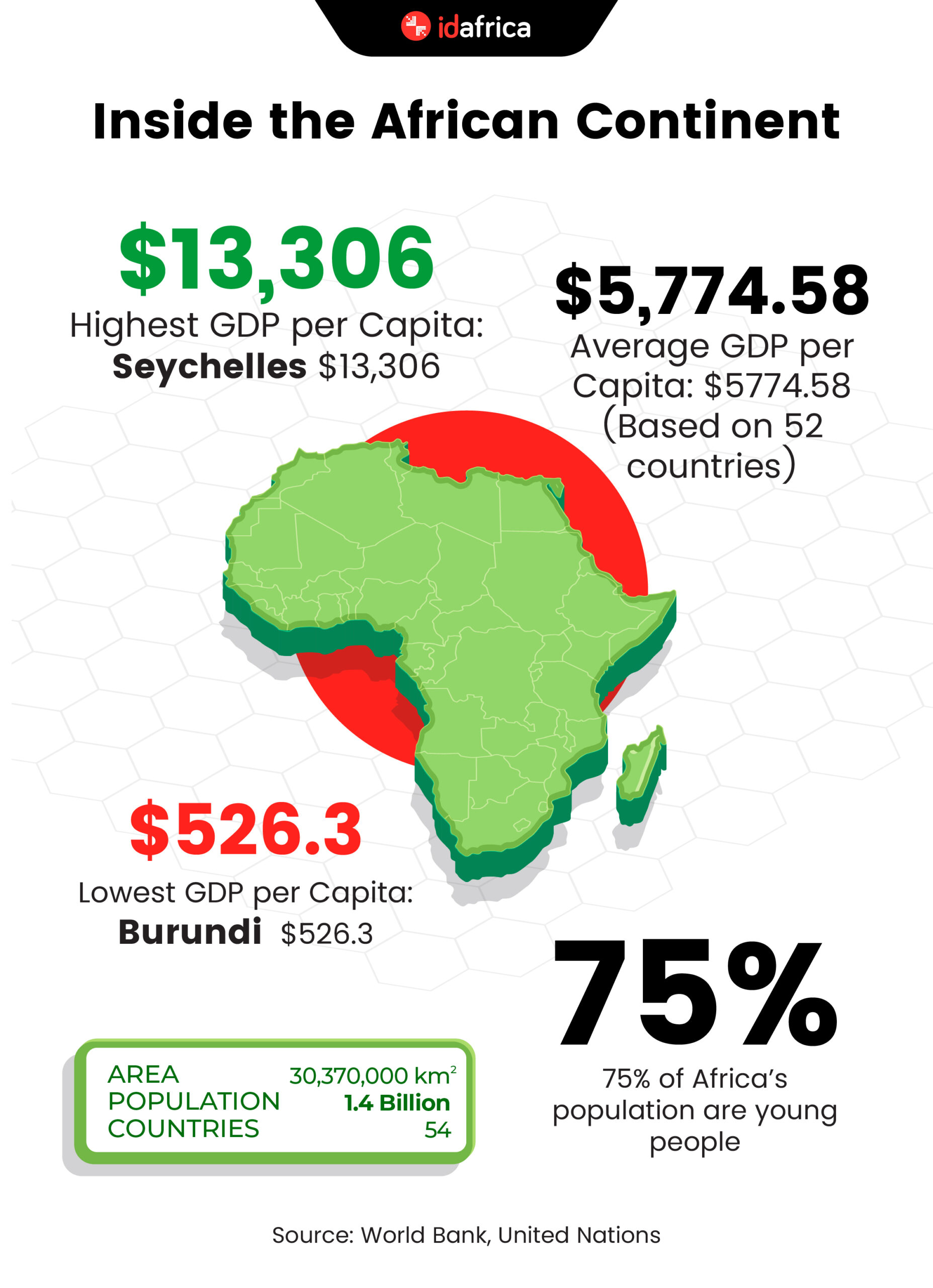
Africa accounts for around 17% of the world’s population with an average GDP per capita of $5,774.58 across 52 countries (World Bank, 2021). The continent is the youngest and fastest-urbanizing in the world and is projected to have 24 million more people, on average, living in its cities each year between 2015 and 2045, according to a 2016 report.
PR Professionals in Africa have a young, captive audience and need to find the sweet spot between the situation, the organisation and the public (target audience) to create memorable experiences for brands and their customers. Successful PR strategies have been built around this formula.
Interestingly, here are some examples of successful PR campaigns in Africa and what made them perform well.
Campaign 1:
Tiger Brands: Reputation in the can
Tiger Brands identified that a number of its KOO and Hugo’s cans used for product packaging between May 1, 2019 and May 5, 2021 may have had a defective side seam weld that could cause the can to leak. The company identified a quality and food safety issue and made the decision to initiate a precautionary withdrawal and voluntary recall of the products.
It delivered an integrated communication campaign that included CEO messages to employees and customers via social media.
Why it worked
The brand leveraged what could have been a huge reputational risk to deepen trust among its customers.
T, one of South Africa’s most-loved brands, is a market leader and enjoys heritage status that is built on a long history of trusted quality.
Using direct, honest, and transparent communication that prioritized the well-being of customers, the company was able to increase brand trust by 31%, according to a post-recall sentiment study. It also saw a 29% improvement in brand equity perception, as well as a 25% increase in quality perception.
Campaign 2:
Every Stage of Women — MSI Reproductive Choices and Marie Stopes
MSI needed to reposition its programme in Ghana as a holistic women’s wellness provider, not just a place to go for contraception or safe abortion care.
The “Every Stage of Woman” campaign was launched to celebrate every life stage and to demystify the changes happening in women’s bodies, as well as challenge the taboos surrounding sexual and reproductive healthcare.
The goal was to ensure women know where to go to access a range of women’s wellness services, grow the numbers of MSI clients and support the drive for sustainability.
Why it worked
The campaign concept was developed from focus group research and input from employees across the world. It was pre-tested and launched across TV, radio, social media, and in outdoor public spaces.
It led to a 41% increase in income, allowing MSI to reinvest profit to fund free community-based services in rural areas, providing its services for those who need it most.
Its success in Ghana has paved the way for MSI to adapt and roll out this messaging in 300 clinics around the globe.
Campaign 3:
MTN Nigeria: Public Offer
Following the announcement of its intention to sell down its ownership in Nigeria, MTN Group needed to recruit new participants to join the Nigerian capital market as participation in the bourse was previously reserved for the banked and financially savvy populace. Also, stocks purchase were usually done through banks or issuing houses.
MTN in collaboration with the Nigeria Xchange announced participation through a digital platform; Primary Offer app, democratizing the public offer and allowing Nigerian retail investors to participate with as little as ₦3,380.
It was the first time in the country that a capital market transaction was being carried out through a digital platform.
Why it worked
The company saw the public offer as an opportunity to educate the public on capital market investment.
Through research, it was discovered that the investing public was investing in cryptocurrency through unlicensed digital exchanges. In addition to how-tos and explainers on how to use the Primary Offer platform, the campaign showed the benefits of investing in MTN stocks.
After a two-week offer window, the offer was 139% oversubscribed, activating the allocation of an additional 86.25 million shares. 111,366 new accounts were created and this represented new market participants.
Approximately 76% of successful applicants from the digital platform were women and 85% are youths under the age of 40.
Many other Africa-based brands are getting things right with an effective strategy in place. However, as human behaviour continues to evolve, PR and Communications practitioners must keep discovering new strategies to execute campaigns for their clients to ensure they record impressive results.
***
Precious Nwachukwu is a Lead Consultant at BHM Nigeria. As Lead Consultant, she primarily provides strategic direction to a team of consultants and advisers as well as oversee other support teams, harnessing insights on ongoing PR engagement activities to foster a more seamless and profitable experience with clients’ campaigns and achieve maximum measurable outcome with the potential to positively impact client reputation.