
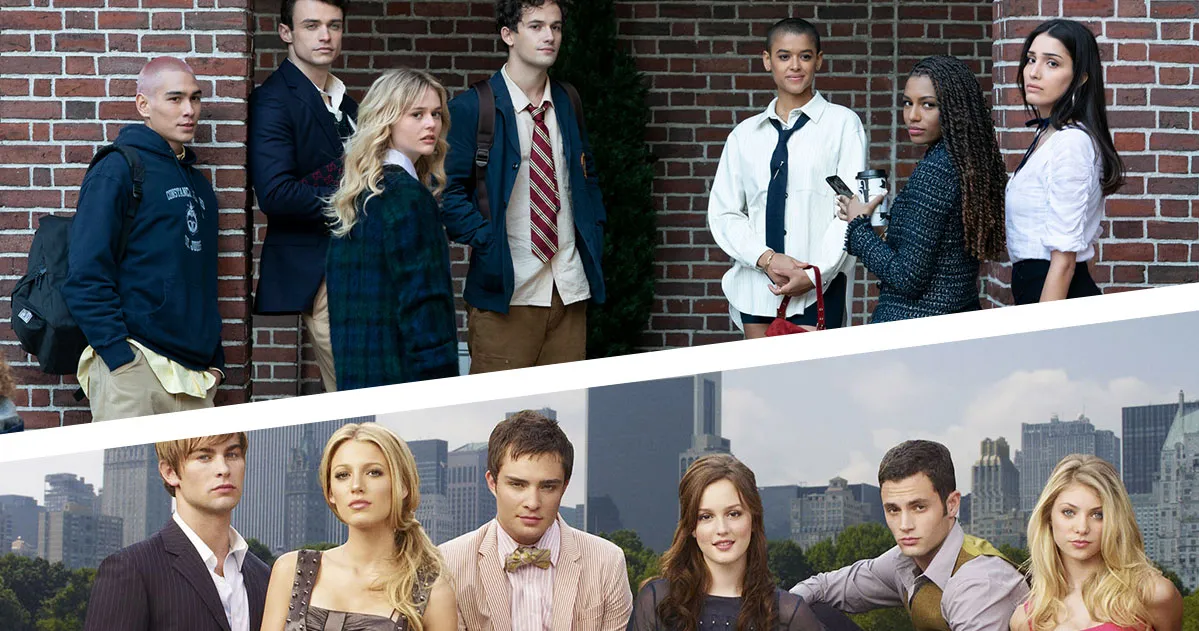
In the past two/three years, there have been several reboots and remakes in both Nollywood and Hollywood. It’s an epidemic of reactivating old ideas, and while several people are over this trend, millions of people are watching each remake or reboot.
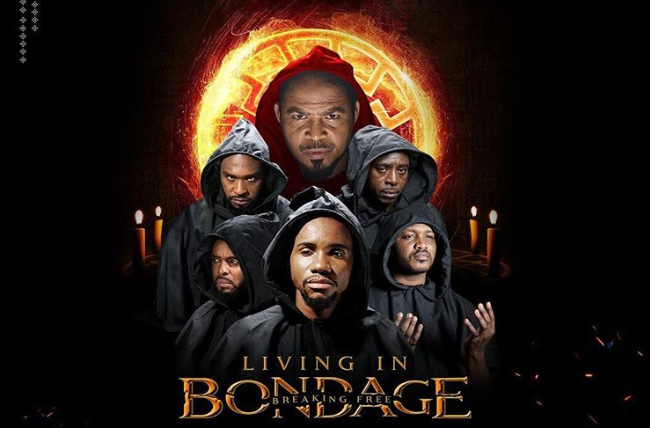
Many of these reboots and remakes catch fans’ attention because they are taken from what can only be described as iconic art pieces with equally iconic characters. For example, in Nollywood, we’ve had the remake of Glamour Girls, Nneka The Pretty Serpent, Living In Bondage, Aki and Pawpaw, and Rattlesnake. While they weren’t all properly executed, some hit the nail on the head just right. They spoke of excellence and the value of quality storytelling that stays relevant through time.
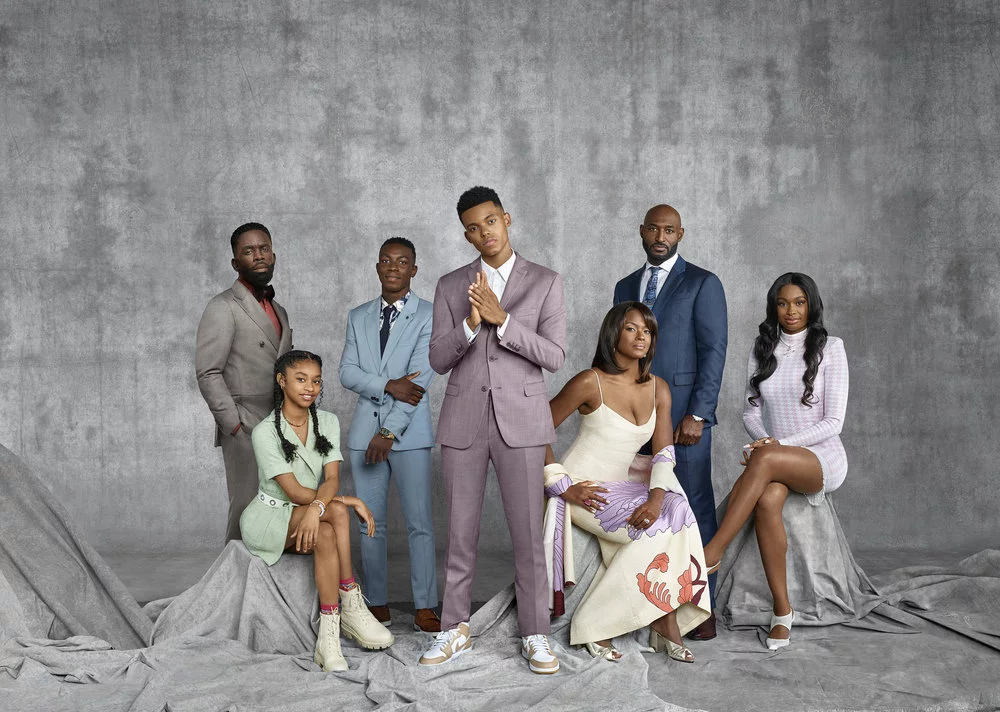
In Hollywood, producers and studios have taken on film and series reboot endeavours, and in some cases, like Martin, they kept it simple with reunions. From Sex in the City to Bel-Air and Gossip Girl, each remake has remained true to the original story while creating new storylines and adapting each series to match the current social and political climate.
Dr Matthew Jones, Film Studies lecturer at De Montfort University in Leicester and a specialist in 20th-century British cinema and audiences, explains why remakes and reboots have become increasingly popular to Cosmopolitan. He says, “Remake and reboot culture is not new. There is a rich tradition of remakes in Western film culture that runs back to the earliest days of cinema (arguably as far back as 1896). The interesting thing about reboots and remakes isn’t really that they exist or are significant in number, but rather that there are more of them at certain moments in history. And we’re certainly in one of those moments now.”
He adds, “The most secure option for studios is always going to be something we call a ‘pre-sold property’, which means a film with a built-in audience that one can guarantee will go and see the film. This means films with pre-existing fan audiences like remakes, reboots and sequels, precisely because they are already familiar to audiences and to which some people will already feel emotionally attached. It is not laziness on the part of the production studios. It’s just good, sound financial logic.”
The frequency with which production houses are churning out remakes and reboots leads one to ask why they’ve become so popular. It makes curious people ask – what lessons can I get from this trend? As a PR practitioner, I asked myself – what lessons are there for my profession in this remake trend? Some of the most compelling answers I got are listed below:
- There is always something to learn from old styles:
As a young Gen-Z PR adviser, I’ve sometimes wondered why certain things are still an issue in the industry. For example, I’ve wondered why clients still love to have their stories in physical papers when I’m certain barely anyone reads them. But the more I asked that question, the more I saw there was something to be learned from paper mentions. Perhaps most important is that they are great for record keeping. Just like I learned something from my debate about mentions, I have learned several other things from several other PR practice debates I’ve had in my head.
- You can always make old practices better:
Thinking about old practices led me to think of ways to improve them. On the rare occasion where Nollywood made great remakes like Rattlesnake: The Ahanna Story and Living In Bondage, they had one thing in common – they made them better. Everything improved, from the quality of props to the story and production quality. Perhaps the only thing that stayed the same was the quality of acting. You can recreate that magic in public relations by updating old skills to match new demands.
- There’s nothing wrong with creating new styles, so long as they are rooted in old values:
There are several new elements for reboots like Bel-Air and Gossip Girl (both available on Showmax), but the story is steeped deep in the old version. For example, the show’s basic premises remain the same, but several characters are different and refreshed. In truth, it made the remakes so much better to watch as it was far from the ‘copy’ many fans must have assumed it would be when they were first announced.
- It’s okay for everything to evolve, even the profession:
Another thing to note is that all the remakes have evolved in their social voice and political elements. They have now infused in the stories more LGBTQ+ lifestyles, more political connotations, and even in the Nigerian films – more realistic features to which the younger generation can relate. The remakes scream EVOLUTION, a loud reminder that it’s okay (some may even argue that it’s best) for professions to evolve.
- Experience will make you better, but it may also keep you stagnant or impede your growth:
When remakes are done right, they make the original stories better. But where they fall short, it leads the audience to question if there has been any growth. It’s the same for the experience. While your experiences can make you better, faster, and wiser, they can also keep you from growing if you don’t approach them right. So you must keep growing, going and learning if your experiences must make you better.
What other lessons have you learned for yourself since we went into the remake era? Tell me in the comments below!