

Talks about money, debt, loan repayment and other financial hurdles are not the easiest conversations to have. But to survive the current economic realities, African entrepreneurs cannot afford to shy away from these conversations.
It’s no news that many African nations have absurdly high unemployment rates. Even with a consistent stream of income, the poor earnings of employees make it extremely difficult to generate profit and eradicate poverty within households. Due to this unemployment situation within the continent, most people would rather launch businesses instead of seeking paid employment. This in itself is great, as the creation of new businesses goes a long way in creating more jobs and impacting the economy. However, the majority of these entrepreneurs are only familiar with the technical aspect of running the business but struggle with administrative responsibilities and financial management which could result in them incurring massive debt for the business and even personally.
According to recent data on Statista.com, the total sum of Africa’s external public debt was $726.55 billion in 2021. When compared to the year of the global Coronavirus outbreak – 2020, the amount of foreign public debt increased from $696.69 billion and this only projects an increase in foreign public debt in the coming years. Frankly speaking, everyone, including Governments, large corporate organisations, and even small roadside businesses are still trying to find ways to scale their business operations without incurring bad debt. To avert or overcome debts, African entrepreneurs need to start at the beginning to understand how debts are initially acquired.
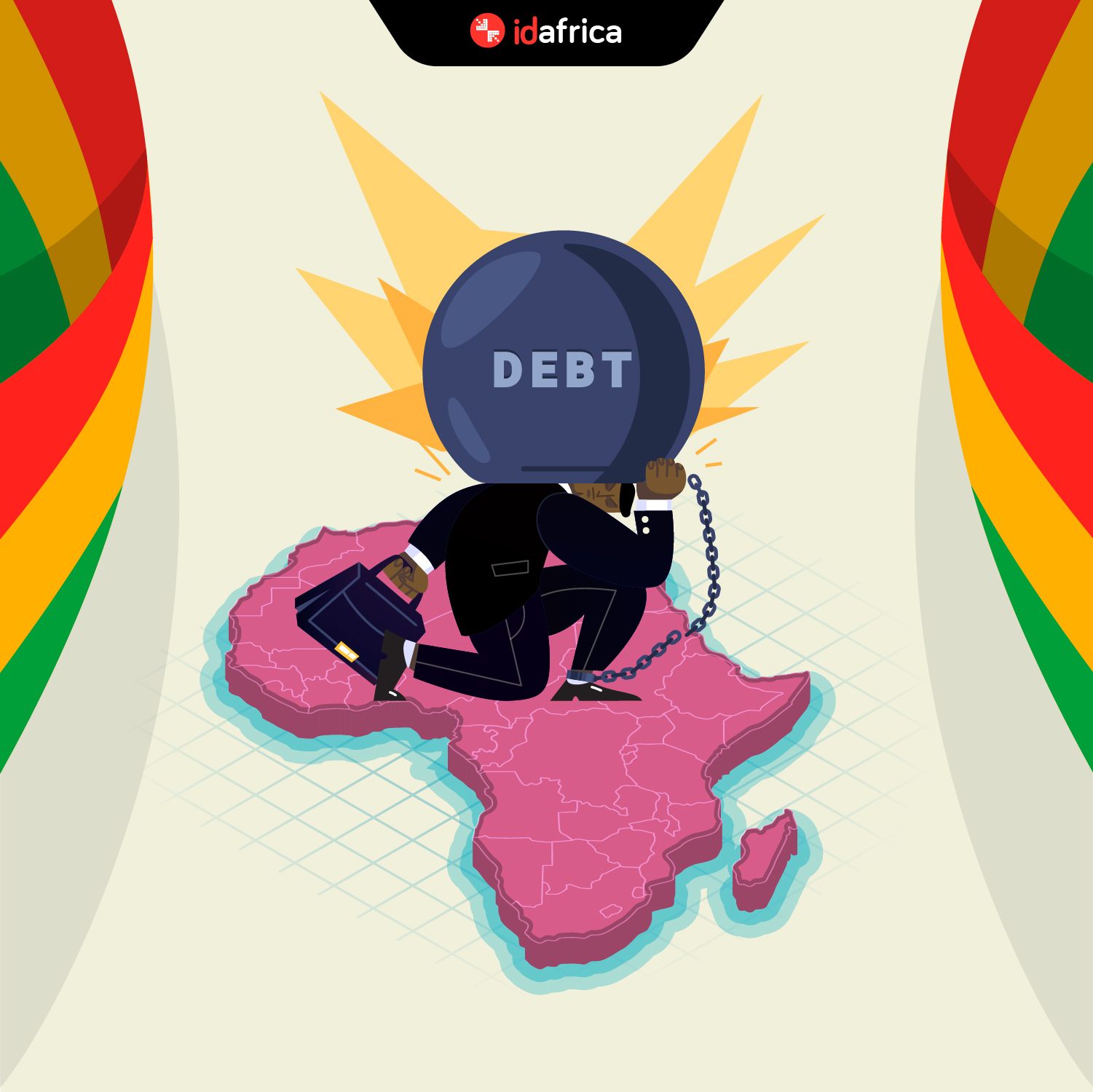
The African Economic Outlook 2017 prepared by African Development Bank shows that Africa has the highest entrepreneur rate globally with 22% of the continent’s working-age population having their own business enterprises. This report also reveals that out of necessity, nations with struggling economies tend to have a higher level of entrepreneurial activities in their country. To set up many of these ventures, entrepreneurs are presented with the option of acquiring loans to fund their new business and without a well-thought-out repayment plan, paying off the loan becomes a bigger problem than they had envisaged.
Next, these businesses are left with accumulated debt. Aside from having unsettled loans, a company is bound to experience stunted growth if it is poorly managed or if those at the decision-making level of the organisation engage in unprofessional management practices. With the absence of a reliable structure for settling bills and handling expenses promptly, it becomes increasingly difficult for the business to thrive and this reduces the likelihood of repaying debts within the expected timeframe.
In some cases, no matter how mindful and intentional people are in scaling African business enterprises, an unfavourable market landscape could shift everything. World Bank recently predicted a stall in Africa’s economic growth. As a result of the expected decline in the increasing number of enterprises that pop up yearly, what comes next is an over-competitive market which will diminish profit and stack up more debt.
It is not all bad news. Despite how dire the current economic situation around the world is, there are still ways for entrepreneurs to avoid amassing huge debt while scaling African business enterprises.

By adopting a cash flow budget, business owners can better understand how much money comes in or goes out of the business over time. This makes it possible to create a realistic growth plan starting from where the business is at the moment. For businesses that are contemplating the option of acquiring loans from financial institutions or other informal sources like borrowing funds from family and friends, it is important to take a step back to create a feasible plan on how the money will be spent and repaid in good time. This plan must also recognise the fact that money invested into a business could be lost or unretrievable. If such happens, there should be a backup plan that contains the business’ recovery strategy from the get-go.
The place of offering quality products or services at a fair price cannot be overemphasised. Inflating the prices of items is counterproductive because rather than record the most amount of profit from sales, the business will experience low patronage and will lose its customers to competitors who offer a more reasonable price. Business owners must be more open to adjusting their prices based on the state of the country’s economy. If the economy dictates a rise or drop in price, commodities or services should reflect such change.
In conclusion, while some business owners prefer to make a one-time repayment of their debt, this strategy is not as practical as it appears for many startups and SMEs. If the goal is to scale a business despite the amount of bad debt already incurred, making smaller installments at frequent and shorter durations will be a more optimal repayment method.
***
Oluwatosin Ajani is a finance expert and accountant in Lagos, Nigeria.