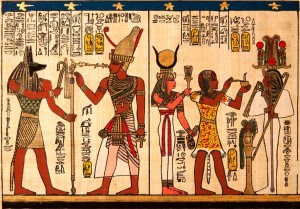
Have you ever thought about what will happen to your tweets two hundred years after you are gone? Well, Katrin Weller has and her findings will interest you.

Katrin Weller, an information scientist did a research on how future historians might use social media posts and how social media information will be stored for use in the future. Weller claims social media information will be used to uncover details of major events such as elections, political crises, natural disasters or cultural celebrations. Historians are likely to use posts of those who reported live feeds from events.
Weller believes historians may recapture social media information of today’s notable figures; for example, Barack Obama’s tweets during an election campaign and how people reacted to his tweets on various social media platforms. Blogs and microblogging platforms will be a super point for studying about urban/music culture, health (‘fitfam’ folks) and travel adventures.
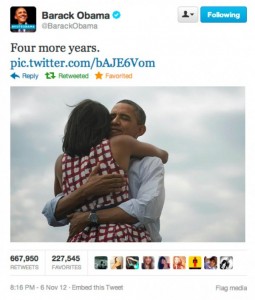
When asked how social media content will be retrieved and from where, Weller pointed out that Twitter was considered king over other social media platforms. Twitter topics are the most prominent topics that get into traditional news, so it’s only natural that they are considered more important than social media posts from other social platforms. Journalists have started to use twitter trends on their websites and news blogs in order to connect with its fan base.
However, it is important to note that collating twitter data in the future might be biased because Twitter does not exist in some countries – meaning those countries will not be represented. Also, many people who do not enjoy or are not active on Twitter cannot be used as a source of tangible information. Hence, social media data use will be critically based on demographics.
This means our tweets will become hieroglyphs!
Yay!